- Home
- Health conditions
- Alaskan Husky Encephalopathy, Subacute Necrotizing Encephalomyelopathy
Alaskan Husky Encephalopathy, Subacute Necrotizing Encephalomyelopathy
SLC19A3
- Brain and Spinal Cord
This neurologic condition affects how vitamin B1 is transported in the body. Because thiamine is essential for brain energy and nerve signaling, affected dogs can develop progressive neurologic signs.
This is a disease that first presents in the puppy or young adult age groups.
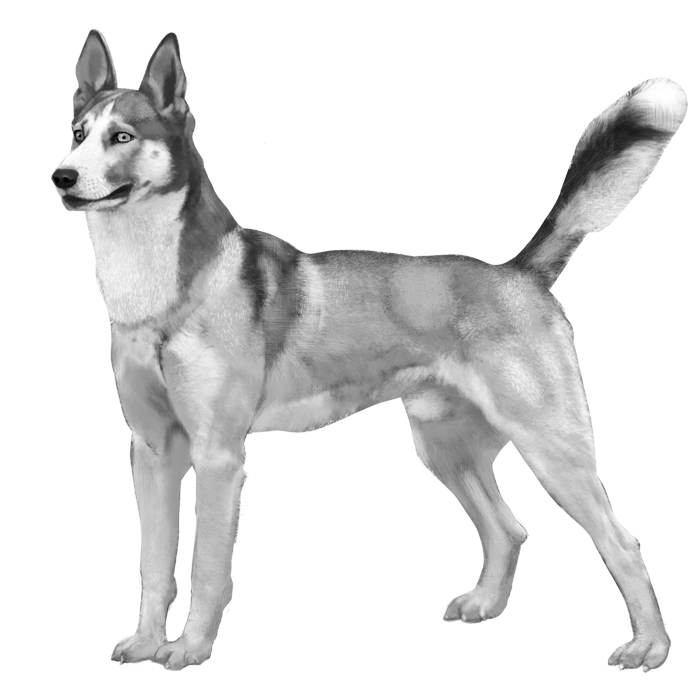
Talk to your vet about your dog’s Alaskan husky encephalopathy result so you can plan ongoing care and monitoring.
Watch for signs such as loss of coordination, vision problems, unusual behavior, or seizures, and contact your vet if you notice any of these. If a seizure occurs, make sure your dog is in a safe area away from objects they could hit, and avoid handling them until it passes.
Keep your dog’s environment calm and consistent. Use rugs or mats to prevent slipping and help your dog move safely around the home.
Encourage gentle, food-based activities such as treat searches or puzzle toys to keep your dog mentally engaged without overexertion.
This mutation was first described in Alaskan Huskies.
Penetrance: This disease is inherited in an autosomal recessive manner, meaning that affected dogs must have two copies of the mutation to show clinical signs.
- Gene
- SLC19A3 (Exon 2)
- Inheritance type
- recessive
- Clinical category
- Neurologic
Citations
Featured products
Our bestselling, most comprehensive DNA test. Includes all Breed ID features, health testing, and more.
Determine the best pairings with exclusive breeder tools.
Screen for 270+ health conditions and allergy risk in 4 categories.
Alaskan-type Husky