- Home
- Health conditions
- Canine Multifocal Retinopathy, cmr3
Canine Multifocal Retinopathy, cmr3
BEST1 Exon 10 Deletion, Finnish and Swedish Lapphund, Lapponian Herder Variant
- Eyes
This condition causes spots on the retina but is not progressive, meaning it usually doesn’t worsen. Most dogs keep their vision, though larger areas can affect sight. New spots typically stop forming by adulthood, and some may even improve over time.
CMR typically develops in puppies at 11 to 16 weeks and becomes stable by the time they are 1 year old.
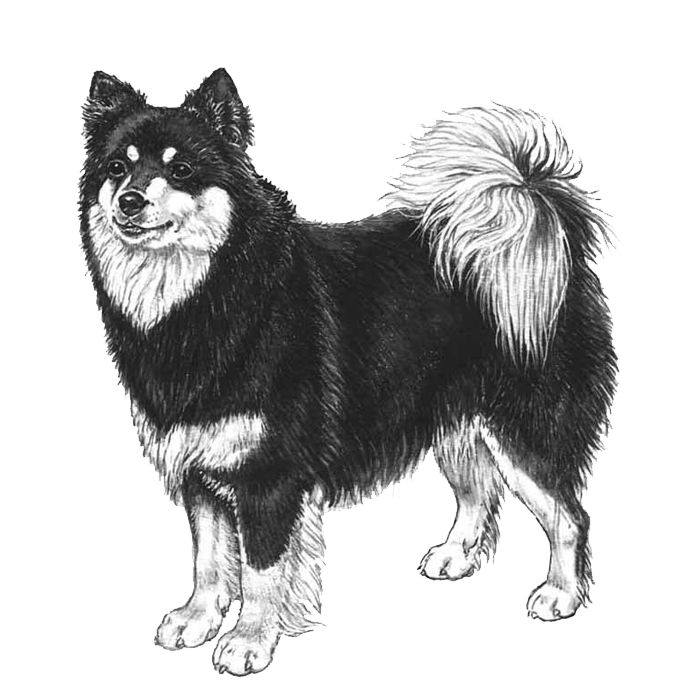
Talk to your vet about your dog’s CMR result so you can work together to plan their ongoing care and monitoring.
Schedule regular eye exams with your vet or a veterinary ophthalmologist to monitor for changes in your dog’s vision.
If you notice any changes in your dog’s eyesight or comfort, such as bumping into objects or hesitating in bright light, contact your vet for guidance.
This mutation was first identified in the Lapponian Herder.
Penetrance: CMR is inherited in an autosomal recessive manner. Dogs must have two copies of the mutation to show clinical signs.
- Gene
- BEST1/VMD2 Exon 10
- Inheritance type
- recessive
- Clinical category
- Ophthalmologic
Citations
Featured products
Our bestselling, most comprehensive DNA test. Includes all Breed ID features, health testing, and more.
Determine the best pairings with exclusive breeder tools.
Screen for 270+ health conditions and allergy risk in 4 categories.
Finnish Lapphund
Lapponian Herder
Swedish Lapphund