- Home
- Health conditions
- Craniomandibular Osteopathy, CMO
Craniomandibular Osteopathy, CMO
SLC37A2
- Skeletal
This noncancerous bone condition causes abnormal bone growth, most often affecting the lower jaw and areas near the ears. It is most common in certain terrier breeds but can occur in others as well.
Signs are first recognized in juveniles.
Talk to your vet about your dog’s CMO result so you can plan appropriate monitoring and treatment.
Feed soft foods if chewing is painful, and avoid hard toys or treats that could worsen discomfort.
Make sure your dog is resting comfortably and stays on their prescribed pain and anti-inflammatory medications as directed.
Some dogs improve as they reach maturity, while others may need ongoing care to stay comfortable.
This mutation was first described in West Highland White Terriers (WHWT), Cairn Terriers and Scottish Terriers.
Penetrance: This mutation has an incomplete dominant mode of inheritance, meaning dogs with one or two copies of the variant are at increased risk of this disease. However, dogs with one copy of the variant likely have less severe clinical signs than a dog with two copies of the variant.
- Gene
- SLC37A2 (Exon 15)
- Inheritance type
- incomplete dominance
- Clinical category
- Skeletal
Citations
Australian Shepherd
Australian Shepherd
Cairn Terrier
Cesky Terrier
Lancashire Heeler
Miniature/MAS-type Australian Shepherd
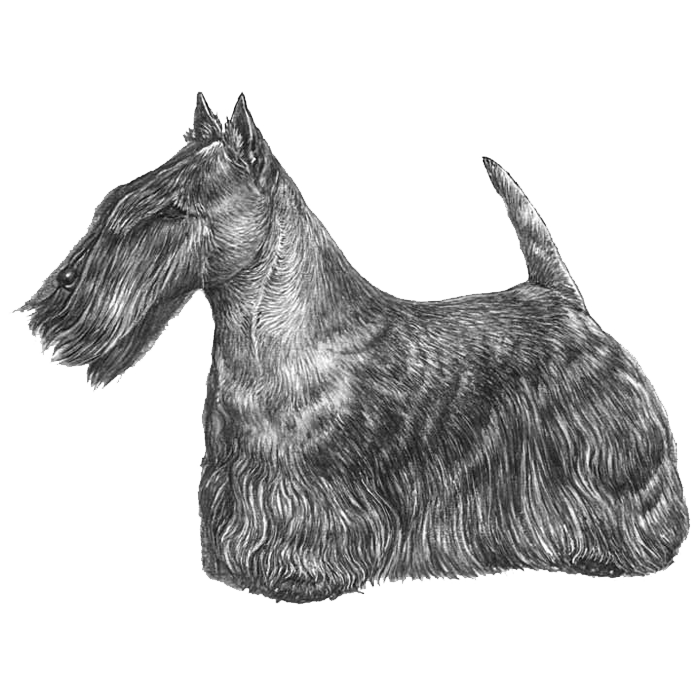
Scottish Terrier
West Highland White Terrier
Featured products
Our bestselling, most comprehensive DNA test. Includes all Breed ID features, health testing, and more.
Determine the best pairings with exclusive breeder tools.
Screen for 270+ health conditions and allergy risk in 4 categories.