- Home
- Health conditions
- Cystinuria Type II-B
Cystinuria Type II-B
SLC7A9, Miniature Pinscher Variant
- Kidney and Bladder
This condition affects amino acid transport in the kidneys. Dogs may be prone to developing cystine bladder stones, which can cause urinary issues.
Signs typically develop in adult dogs when stones have had the chance to develop.
Talk to your vet about your dog’s cystinuria result so you can work together to plan ongoing care and monitoring.
Schedule regular checkups and lab testing as recommended to detect any urinary changes early.
Your vet may recommend a special diet to help reduce cystine levels and prevent urinary stone formation.
Encourage your dog to drink plenty of water and watch for changes in urination, such as straining, accidents, or blood in the urine. Contact your vet if you notice any of these signs.
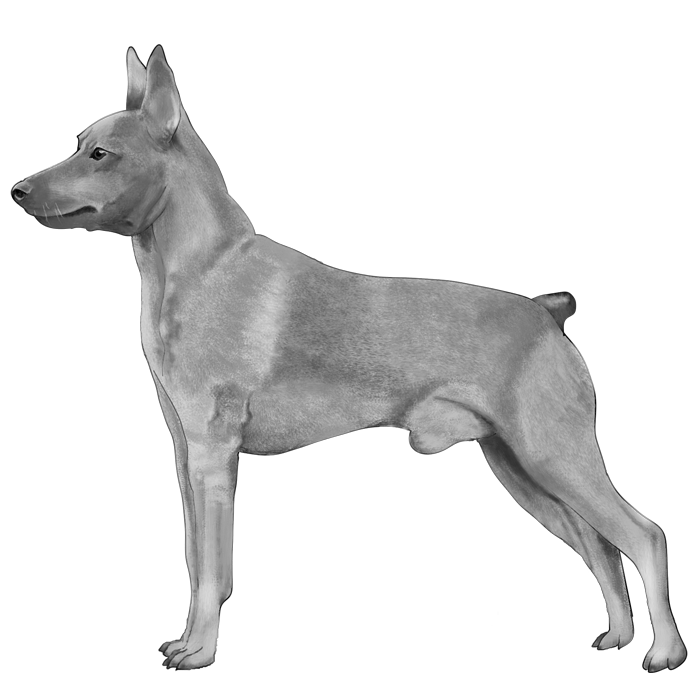
This mutation was first described in the Miniature Pinscher.
Penetrance: This mutation is inherited in an autosomal dominant manner, meaning that one or two copies of this gene will cause the disorder.
- Gene
- SLC7A9 (Exon 9)
- Inheritance type
- dominant
- Clinical category
- Urinary
Citations
Featured products
Our bestselling, most comprehensive DNA test. Includes all Breed ID features, health testing, and more.
Determine the best pairings with exclusive breeder tools.
Screen for 270+ health conditions and allergy risk in 4 categories.
Miniature Pinscher