


Exercise-Induced Collapse, EIC

This muscle disorder can cause episodes of muscle weakness and sometimes collapse. After recovering, most dogs are perfectly normal and eager to get back to work. While most dogs appear dazed or confused after an episode, most return to normal quickly.
Signs develop in juvenile dogs, typically before 3 years of age.
-
 Bouvier des Flandres
-
 Boykin Spaniel
-
 Cardigan Welsh Corgi
-
 Chesapeake Bay Retriever
-
 Clumber Spaniel
-
 Cocker Spaniel
-
 Curly-Coated Retriever
-
 English Cocker Spaniel
-
 Field Spaniel
-
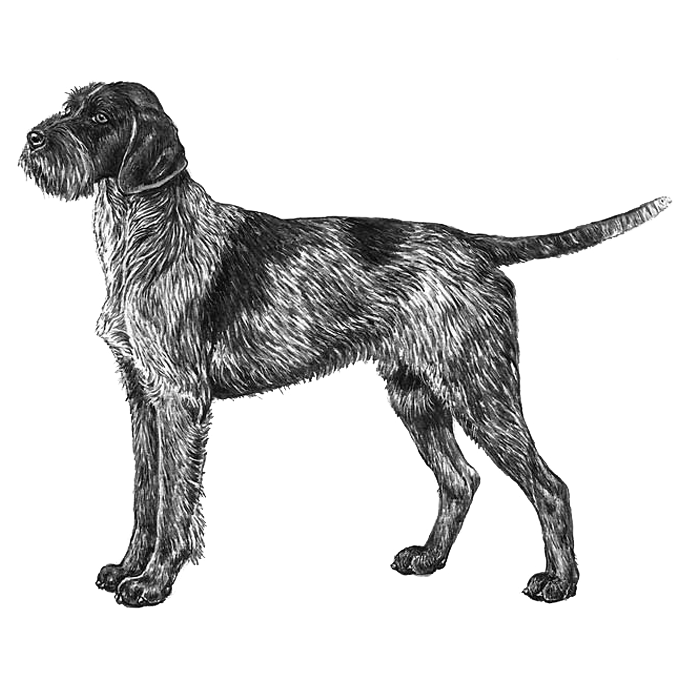 German Wirehaired Pointer
-
 Labrador Retriever
-
 Old English Sheepdog
-
 Pembroke Welsh Corgi
-
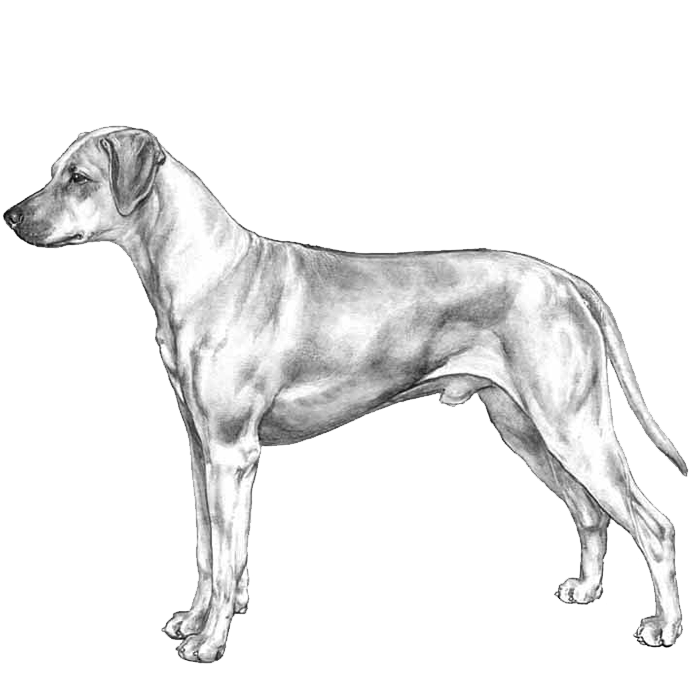 Rhodesian Ridgeback
-
 Sheepadoodle
-
 Vizsla
-
 Wirehaired Vizsla
Featured products

Sale


Sale