- Home
- Health conditions
- Hereditary Footpad Hyperkeratosis
Hereditary Footpad Hyperkeratosis
DSG1, Rottweiler Variant
- Skin & Connective Tissues
This condition affects normal skin development and can cause the footpads to become unusually thick and hardened. In some dogs, the pads may crack and become uncomfortable.
Signs first appear in puppies around 8 weeks of age.
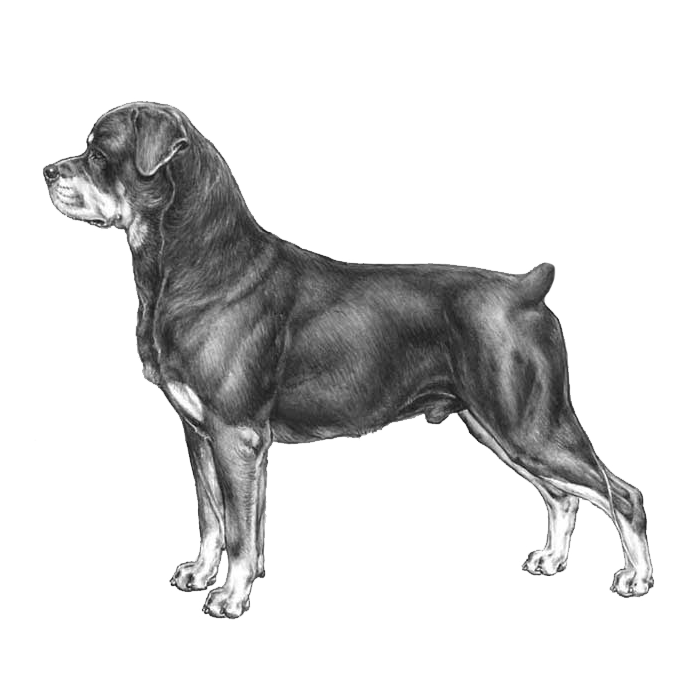
Talk to your vet about your dog’s hereditary footpad hyperkeratosis result so you can plan appropriate care and monitoring.
Keep your dog’s paw pads moisturized and avoid rough or abrasive surfaces that could cause cracking or pain. Regular use of dog-safe paw balms or protective booties can help prevent irritation, especially during long walks or in extreme temperatures.
If you notice limping, bleeding, or signs of infection, contact your vet promptly for treatment and pain relief.
This mutation was first described in a Rottweiler.
Penetrance: This mutation has an autosomal recessive inheritance, meaning that dogs must have two copies of the mutation in order to show clinical signs.
- Gene
- DSG1
- Inheritance type
- recessive
- Clinical category
- Integument
Citations
Featured products
Our bestselling, most comprehensive DNA test. Includes all Breed ID features, health testing, and more.
Determine the best pairings with exclusive breeder tools.
Screen for 270+ health conditions and allergy risk in 4 categories.
Rottweiler