- Home
- Health conditions
- Junctional Epidermolysis Bullosa
Junctional Epidermolysis Bullosa
LAMA3 Exon 66, Australian Cattle Dog Variant
- Skin & Connective Tissues
This skin condition causes fragile skin and mucous membranes that blister or ulcer easily, even with minor friction or trauma. Affected dogs may develop sores on the skin or in the mouth.
Clinical signs begin at or soon after birth.
Talk to your vet about your dog’s JEB result so you can plan how best to support them at home.
Handle your dog gently and keep their environment soft and padded by using fleece blankets or foam padding, non-slip mats, and avoiding rough surfaces or sharp edges to reduce trauma to fragile skin.
Watch for wounds or ulcerations on the skin or mucous membranes. Seek veterinary care quickly if you notice deep sores, bleeding, or signs of infection, and follow the vet’s advice for pain management and antibiotics.
As JEB can be severe in some dogs, working closely with your vet to monitor your dog’s comfort and mobility is key.
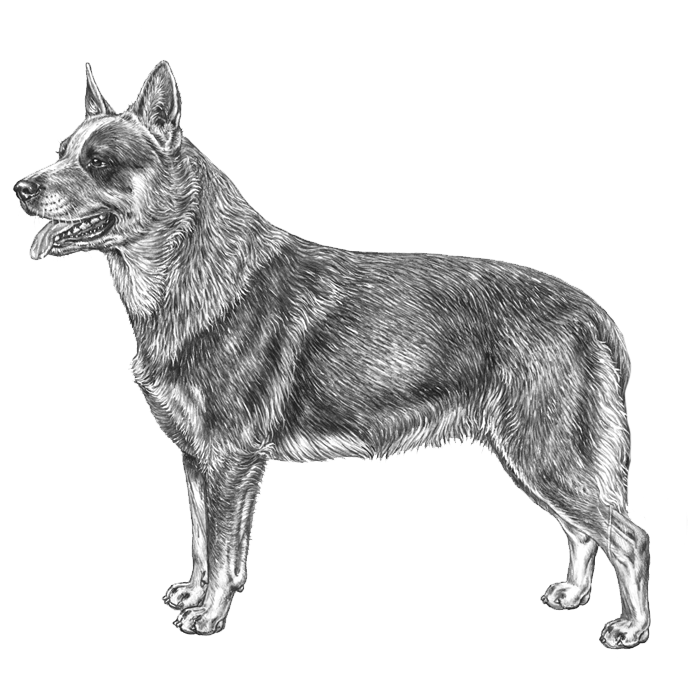
This variant was first identified in the Australian Cattle Dog.
Penetrance: JEB is inherited in an autosomal recessive manner, meaning a dog must have two copies of the variant to be affected by it.
- Gene
- LAMA3 Exon 66
- Inheritance type
- recessive
- Clinical category
- Integument
Citations
Australian Cattle Dog
Australian Kelpie
Stumpy Tail Cattle Dog
Featured products
Our bestselling, most comprehensive DNA test. Includes all Breed ID features, health testing, and more.
Determine the best pairings with exclusive breeder tools.
Screen for 270+ health conditions and allergy risk in 4 categories.