- Home
- Health conditions
- Juvenile Myoclonic Epilepsy
Juvenile Myoclonic Epilepsy
DIRAS1
- Brain and Spinal Cord
This neurologic condition causes frequent, brief muscle jerks that can make dogs appear easily startled. These movements are involuntary and may occur repeatedly, even when dogs are otherwise alert.
Signs can develop at 6 weeks to 18 months of age.
Talk to your vet about your dog’s JME result so you can plan ongoing care and monitoring.
Watch for brief, sudden jerking movements or twitching (often after waking up) and contact your vet if you notice these.
Some dogs may have seizures triggered by flashing lights or excitement. Try to identify and avoid triggers if a pattern becomes apparent.
If your dog has a seizure, make sure they’re in a safe area away from objects they could hit, and avoid handling them until it passes. Keep a record of each episode, noting the date, time, and how long it lasts.
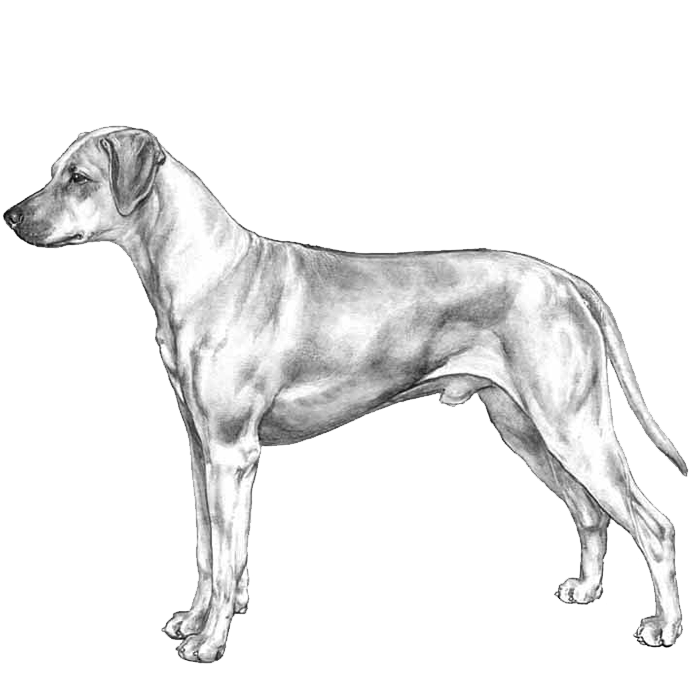
This mutation was first described in the Rhodesian Ridgeback.
Penetrance: This disease is inherited in an autosomal recessive manner, meaning that affected dogs must have two copies of the mutation to show clinical signs.
- Gene
- DIRAS1
- Inheritance type
- recessive
- Clinical category
- Neurologic
Citations
Featured products
Our bestselling, most comprehensive DNA test. Includes all Breed ID features, health testing, and more.
Determine the best pairings with exclusive breeder tools.
Screen for 270+ health conditions and allergy risk in 4 categories.
Rhodesian Ridgeback