- Home
- Health conditions
- Laryngeal Paralysis and Polyneuropathy
Laryngeal Paralysis and Polyneuropathy
CNTNAP1, Leonberger, Saint Bernard, and Labrador Retriever variant
- Neuromuscular
This condition affects the nerves controlling the larynx, or voice box, which can lead to changes in breathing and vocalization. Several genetic variants have been linked to this disorder, and severity can vary between dogs.
The age of onset varies by breed. In Leonbergers, the average age of onset was 3.4 years. In Saint Bernards, the average was 2.1 years. Labrador Retrievers' average age was 7.5 years (Letko, 2020).
Talk to your vet about your dog’s polyneuropathy result so you can plan ongoing care and monitoring.
Watch for signs such as voice changes, noisy breathing, weakness, or difficulty swallowing, and contact your vet if you notice any of these.
Maintain your dog at a healthy weight and keep them in a calm environment. Avoid strenuous exercise or overheating, as these can worsen breathing problems.
As this condition can progress over time, supportive care and a safe, predictable routine can help keep your dog comfortable and engaged with their family.
This variant was first identified in the Saint Bernard, Labrador Retriever, and Leonberger.
Penetrance: The publication reports that 4.1% of Leonbergers with unexplained laryngeal paralysis had two copies of this variant. In Saint Bernards, 41.6% of diagnosed dogs had two copies of the variant. In Labrador Retrievers, 4.7% of diagnosed dogs had two copies of this variant. The variant was also found in at least 25 different breeds, but the clinical impact in those breeds is unknown (Letko, 2020).
- Gene
- CNTNAP1 Exon 18
- Inheritance type
- recessive
- Clinical category
- Neuromuscular
Citations
Labrador Retriever
English Labrador Retriever
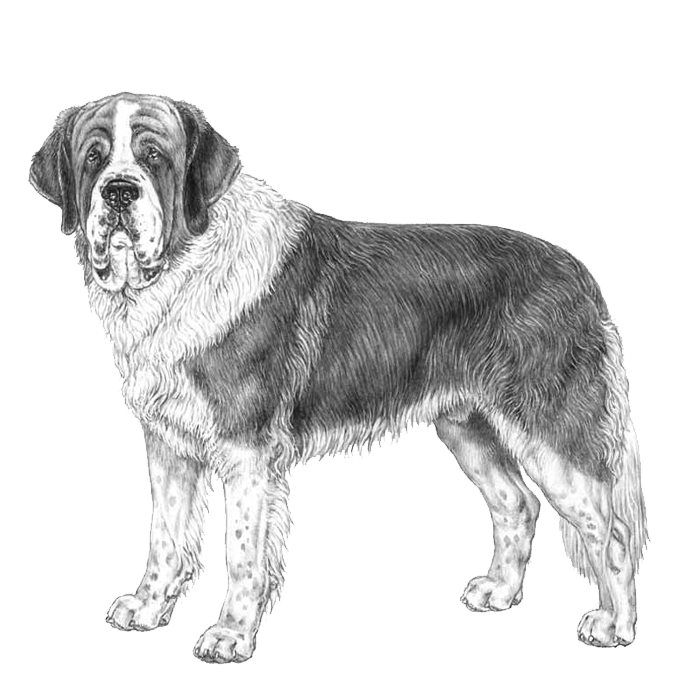
Saint Bernard
Leonberger
Featured products
Our bestselling, most comprehensive DNA test. Includes all Breed ID features, health testing, and more.
Determine the best pairings with exclusive breeder tools.
Screen for 270+ health conditions and allergy risk in 4 categories.