- Home
- Health conditions
- Lundehund Syndrome
Lundehund Syndrome
LEPREL1
- Gastrointestinal
This condition affects the stomach and intestines, leading to chronic digestive problems. It involves changes in intestinal cells that regulate digestion and is thought to be similar to inflammatory bowel disease.
Signs can first appear in a wide range of ages - from approximately 2 to 10 years of age.
Talk to your vet about your dog’s Lundehund syndrome result so you can plan an appropriate diet and regular monitoring.
Follow your vet’s nutritional recommendations closely, as special diets can help manage digestive symptoms and nutrient absorption.
Watch for signs such as diarrhea, vomiting, weight loss, or loss of appetite, and contact your vet if you notice these.
With consistent care and monitoring, many dogs with this condition can live relatively normal, comfortable lives.
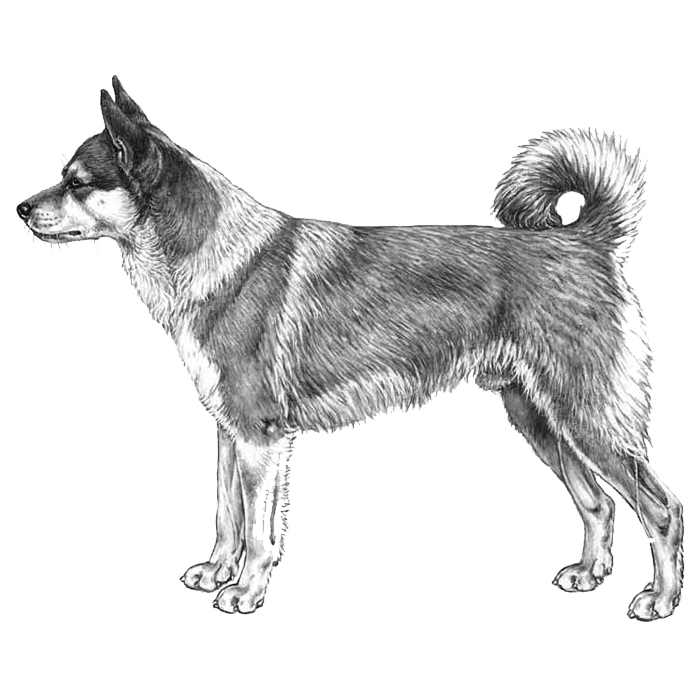
This mutation was first described in Norwegian Lundehunds.
Penetrance: This disease is inherited in an autosomal recessive manner, meaning that affected dogs must have two copies of the mutation to show clinical signs.
- Gene
- LEPREL1
- Inheritance type
- recessive
- Clinical category
- Gastrointestinal
Citations
Featured products
Our bestselling, most comprehensive DNA test. Includes all Breed ID features, health testing, and more.
Determine the best pairings with exclusive breeder tools.
Screen for 270+ health conditions and allergy risk in 4 categories.
Norwegian Lundehund