- Home
- Health conditions
- Mucopolysaccharidosis IIIB, Sanfilippo Syndrome Type B, MPS IIIB
Mucopolysaccharidosis IIIB, Sanfilippo Syndrome Type B, MPS IIIB
NAGLU, Schipperke Variant
- Multisystem
This condition affects how cells recycle certain waste materials, leading to the buildup of large sugar molecules. In the brain, this disrupts normal cell function and leads to progressive neurologic signs that worsen over time.
Clinical signs may be observed at approximately two years of age.
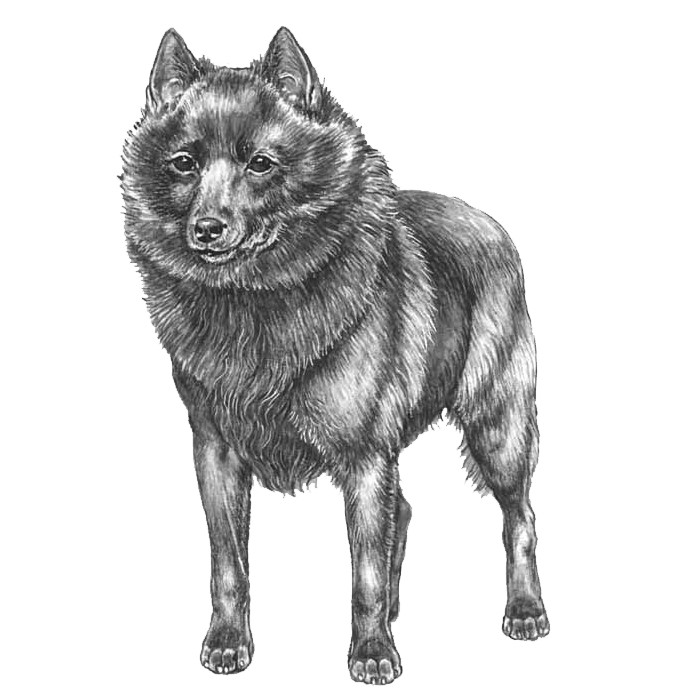
Talk to your vet about your dog’s mucopolysaccharidosis result so you can work together to plan ongoing care and monitoring.
Schedule regular checkups to monitor for changes in mobility, coordination, or behavior.
Work with your vet to provide supportive care that keeps your dog comfortable and helps them stay active and engaged.
Help your dog feel secure by keeping furniture in familiar places, using non-slip mats, and maintaining predictable daily routines.
Since the discovery of the causative variant, selective screening and breeding practices have led to a dramatic decrease in allele frequency within the Schipperke breed.
Penetrance: Mucopolysaccharidosis IIIB is recessive, that is, a dog requires two copies of the variant to show signs of the disease from the variant. This variant was first described in Schipperke.
- Gene
- NAGLU
- Inheritance type
- recessive
- Clinical category
- Multisystem
Citations
Featured products
Our bestselling, most comprehensive DNA test. Includes all Breed ID features, health testing, and more.
Determine the best pairings with exclusive breeder tools.
Screen for 270+ health conditions and allergy risk in 4 categories.
Schipperke