- Home
- Health conditions
- Mucopolysaccharidosis Type VI, Maroteaux-Lamy Syndrome, MPS VI
Mucopolysaccharidosis Type VI, Maroteaux-Lamy Syndrome, MPS VI
ARSB Exon 5, Miniature Pinscher Variant
- Metabolic
This condition affects how cells recycle certain waste materials, leading to the buildup of large sugar molecules. Over time, this can cause slowed growth, skeletal changes, and eye problems that may worsen as dogs age.
You may notice the first signs of dwarfism as early as three months of age, and eye abnormalities by seven months of age.
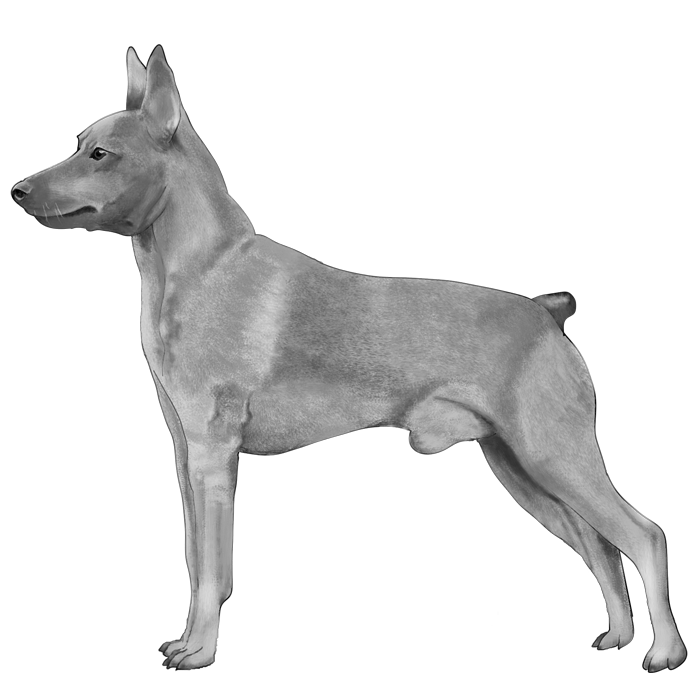
Talk to your vet about your dog’s MPS VI result so you can discuss what signs to monitor for and plan supportive care as needed.
The severity of this condition can vary, and some dogs may live for several years with good management and monitoring.
Provide a calm, predictable environment and help your dog avoid activities that could strain their joints or cause injury.
Make your home comfortable and easy to navigate by providing soft bedding, rugs for traction, and minimizing stairs. Offer gentle, low-impact ways for your dog to stay active, such as hiding treats under cups or using a puzzle feeder.
This variant was first identified in Miniature Pinschers.
Penetrance: This form of MPS VI has an autosomal recessive mode of inheritance; that is, a dog requires two copies of the variant to show signs of the disease from it. Carrier dogs are reported to have intermediate enzyme activity when compared to clear and affected dogs; however, this causes no clinical abnormalities.
- Gene
- ARSB Exon 5
- Inheritance type
- recessive
- Clinical category
- Metabolic
Citations
Featured products
Our bestselling, most comprehensive DNA test. Includes all Breed ID features, health testing, and more.
Determine the best pairings with exclusive breeder tools.
Screen for 270+ health conditions and allergy risk in 4 categories.
Miniature Pinscher