- Home
- Health conditions
- Oculocutaneous Albinism, OCA
Oculocutaneous Albinism, OCA
SLC45A2, Small Breed Variant
- Skin & Connective Tissues
This condition affects pigment production, leading to little or no melanin in the eyes, skin, and hair. Affected dogs may have very light coloring and increased sensitivity to sunlight.
Signs are often first recognized in puppies.
Talk to your vet about your dog’s OCA result so you can plan appropriate care and monitoring.
Limit sun exposure by providing shade, using pet-safe sunscreen on exposed areas, and avoiding outdoor activity during peak sunlight.
If your dog has vision impairment, keep their environment consistent, guide them with verbal cues, and use a leash in unfamiliar areas for safety.
With proper protection and gentle support, most dogs with OCA can live normal, active lives.
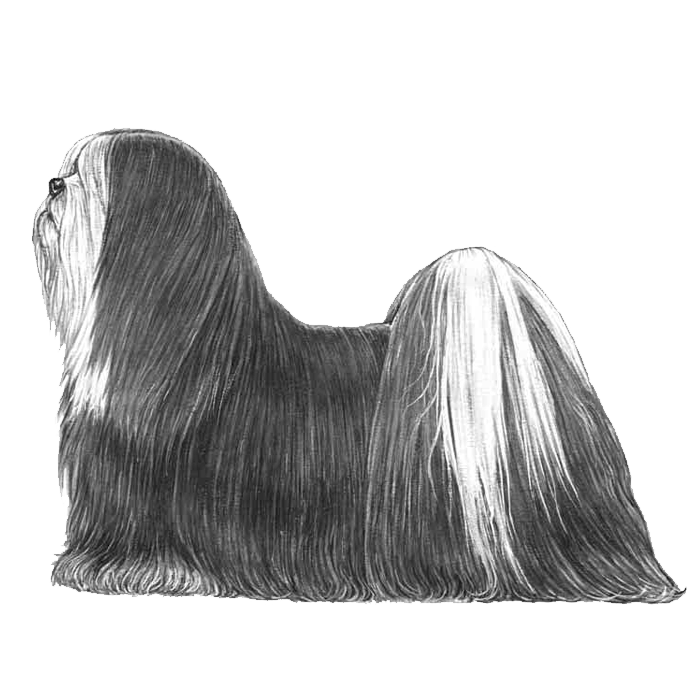
This mutation was first described in the Lhasa Apso, Pekingese, and Pomeranian.
Penetrance: This mutation has an autosomal recessive inheritance, meaning that dogs must have two copies of the mutation in order to show clinical signs.
- Gene
- SLC45A2
- Inheritance type
- recessive
- Clinical category
- Integument
Citations
Featured products
Our bestselling, most comprehensive DNA test. Includes all Breed ID features, health testing, and more.
Determine the best pairings with exclusive breeder tools.
Screen for 270+ health conditions and allergy risk in 4 categories.
Lhasa Apso
Pekingese
Pomeranian