- Home
- Health conditions
- Von Willebrand Disease Type II, Type II vWD
Von Willebrand Disease Type II, Type II vWD
VWF, Pointer Variant
- Blood
In dogs with this condition, an important clotting protein may be reduced or not work as it should. Bleeding varies between dogs and is often most noticeable after injury or surgery, though some dogs may show few or no signs.
This disease is typically diagnosed in puppies or young adults when they are spayed or neutered and have a problem with clotting. However, it can be diagnosed at any age.
Talk to your vet about your dog’s genetic result, as it could impact upcoming surgeries or procedures.
Be cautious with activities that could lead to injury, like rough play at dog parks or off-leash hikes.
To help stop minor bleeding, such as from a broken nail, keep basic first-aid supplies on hand, including bandaging material and styptic powder.
If your dog is injured, apply gentle pressure with gauze or a clean cloth to the wound. Keep your vet’s contact information handy in case the bleeding doesn’t stop within a few minutes.
Penetrance: vWD Type II is inherited in an autosomal recessive manner, meaning that affected dogs must have two copies of the mutation to show clinical signs.
- Gene
- VWF
- Inheritance type
- recessive
- Clinical category
- Hematologic
Citations
Featured products
Our bestselling, most comprehensive DNA test. Includes all Breed ID features, health testing, and more.
Determine the best pairings with exclusive breeder tools.
Screen for 270+ health conditions and allergy risk in 4 categories.
German Longhaired Pointer
German Shorthaired Pointer
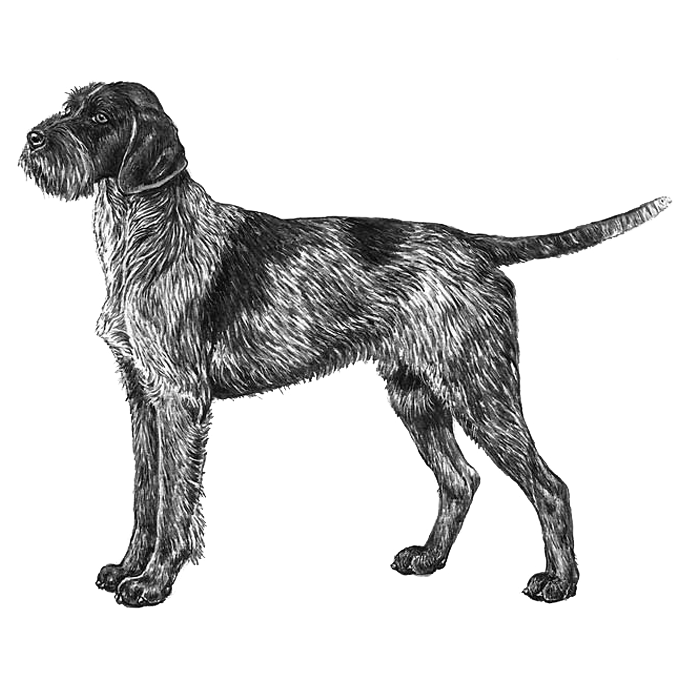
German Wirehaired Pointer