- Home
- Health conditions
- Hereditary Nasal Parakeratosis
Hereditary Nasal Parakeratosis
SUV39H2 Intron 4, Greyhound Variant
- Skin & Connective Tissues
This condition affects the skin of the nose, causing it to become thicker and rough or flaky in appearance. In some dogs, these changes can lead to discomfort.
Initial lesions may be visible in puppies. However, clinical signs typically become more apparent as dogs age.
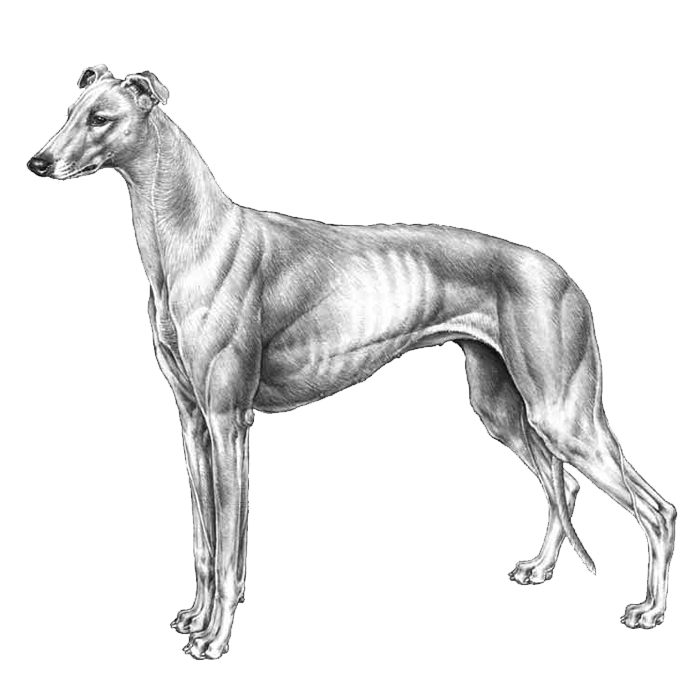
Talk to your vet about your dog’s HNPK result so you can plan appropriate care and monitoring.
Keep your dog’s nose moisturized with a gentle, dog-safe balm to prevent cracking and irritation. Avoid harsh rubbing or wiping, as the skin is sensitive and can easily become sore.
If you notice bleeding, infection, or significant discomfort, contact your vet for further treatment options.
This variant was first identified in the Greyhound.
Penetrance: HNPK is inherited in an autosomal recessive manner, meaning that affected dogs must have two copies of the variant to show clinical signs from it.
- Gene
- SUV39H2 Intron 4
- Inheritance type
- recessive
- Clinical category
- Integument
Citations
Featured products
Our bestselling, most comprehensive DNA test. Includes all Breed ID features, health testing, and more.
Determine the best pairings with exclusive breeder tools.
Screen for 270+ health conditions and allergy risk in 4 categories.
Greyhound