- Home
- Health conditions
- Hereditary Sensory Autonomic Neuropathy, Acral Mutilation Syndrome, AMS
Hereditary Sensory Autonomic Neuropathy, Acral Mutilation Syndrome, AMS
GDNF-AS, Spaniel and Pointer Variant
- Brain and Spinal Cord
This neurologic condition affects how dogs sense pain, especially in the feet. Because pain sensation is reduced, affected dogs may injure themselves without noticing.
Signs typically are first seen in puppies.
Talk to your vet about your dog’s AMS result so you can plan ongoing care and monitoring.
Watch for signs such as excessive licking, chewing, or injury to the feet or legs, and contact your vet if you notice any of these.
Use protective coverings or an Elizabethan collar as recommended by your vet to prevent self-injury, and keep any wounds clean and monitored.
Provide mental enrichment and supervision to reduce boredom or stress, such as using puzzle feeders, snuffle mats, or calm training games like “find it,” where your dog searches for hidden treats.
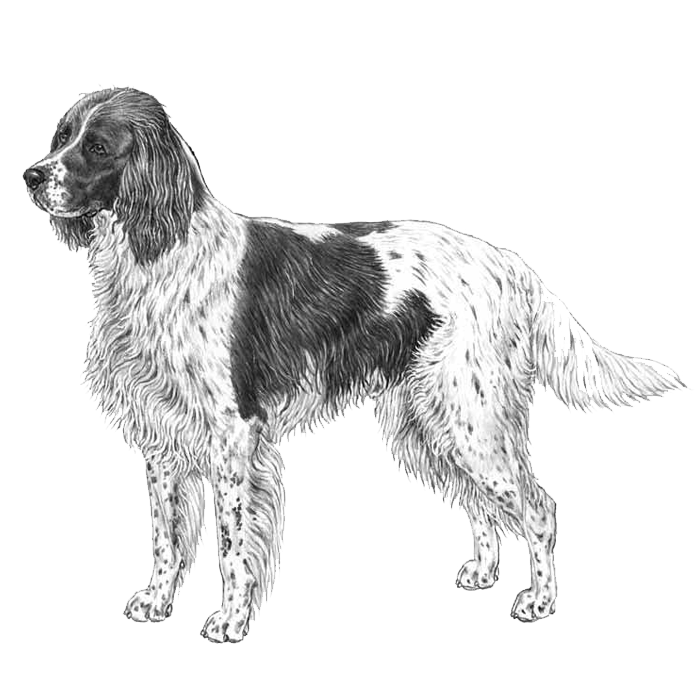
HSAN has been diagnosed in French Spaniels, English Springer Spaniels, English Pointers, and German Shorthaired Pointers.
Penetrance: This disease is inherited in an autosomal recessive manner, meaning that affected dogs must have two copies of the mutation to show clinical signs.
- Gene
- GDNF-AS
- Inheritance type
- recessive
- Clinical category
- Neurologic
Citations
Cocker Spaniel
English Cocker Spaniel
English Cocker Spaniel (Working Type)
English Springer Spaniel
French Spaniel
German Shorthaired Pointer
Pointer
Featured products
Our bestselling, most comprehensive DNA test. Includes all Breed ID features, health testing, and more.
Determine the best pairings with exclusive breeder tools.
Screen for 270+ health conditions and allergy risk in 4 categories.