- Home
- Health conditions
- Progressive Retinal Atrophy, crd4/cord1
Progressive Retinal Atrophy, crd4/cord1
RPGRIP1
- Eyes
This eye condition causes gradual degeneration of the retina. Affected dogs typically lose day vision first, followed by progressive vision loss over time.
The earliest ophthalmic signs are typically present by 6 months of age. There is a wide range in the age of when dogs become clinically affected, although the average age is approximately 5 years. Dogs as young as 6 months may be blind, while dogs as old as 10 may still have vision.
Talk to your vet about your dog’s PRA result so you can work together to plan their ongoing care and monitoring.
Schedule regular eye exams with your vet or a veterinary ophthalmologist to monitor for changes or complications such as cataracts.
If your dog’s vision changes, help them adjust by keeping furniture and routines consistent, using verbal cues, and keeping them on a leash in unfamiliar areas.
Products such as protective halos can also help dogs navigate safely if their vision declines.
This mutation was first described in the Miniature Longhaired Dachshund.
Penetrance: This mutation is inherited in an autosomal recessive manner, meaning that dogs must have two copies of the mutation to be affected. However, there are other genetic and/or environmental factors that affect the development of this disease as there is a wide range of onset of clinical signs.
- Gene
- RPGRIP1 (Exon 2)
- Inheritance type
- recessive
- Clinical category
- Ophthalmologic
Citations
Beagle
Boykin Spaniel
French Bulldog
Chihuahua
Curly-Coated Retriever
Dachshund
Dachshund
English Labrador Retriever
English Springer Spaniel
Field Spaniel
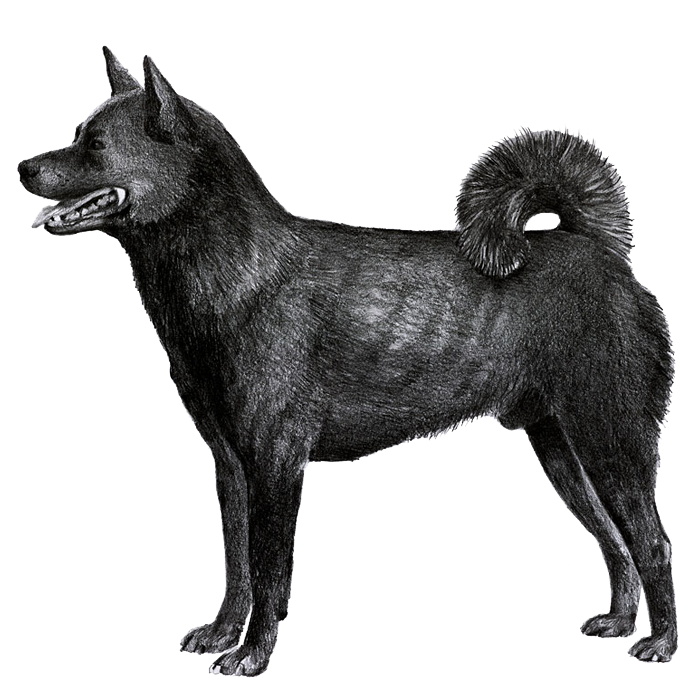
Kai Ken
Labrador Retriever
Dachshund (Miniature)
Papillon
Portuguese Podengo Pequeno
Puggle
Featured products
Our bestselling, most comprehensive DNA test. Includes all Breed ID features, health testing, and more.
Determine the best pairings with exclusive breeder tools.
Screen for 270+ health conditions and allergy risk in 4 categories.