- Home
- Health conditions
- Raine Syndrome, Canine Dental Hypomineralization Syndrome
Raine Syndrome, Canine Dental Hypomineralization Syndrome
FAM20C
- Skeletal
This condition affects how teeth form and harden, leading to excessive tooth wear. As teeth wear down, sensitive inner layers can be exposed, which may cause irritation, pain, and increased risk of dental problems.
Signs are often first recognized in adults.
Talk to your vet about your dog’s Raine syndrome result so you can plan appropriate dental care, including regular professional cleanings and exams to monitor for signs of tooth wear or damage.
Brush your dog’s teeth regularly using a soft-bristled brush and dog-safe toothpaste to reduce plaque and protect weakened enamel.
Avoid hard toys, bones, or treats that could chip or crack fragile teeth.
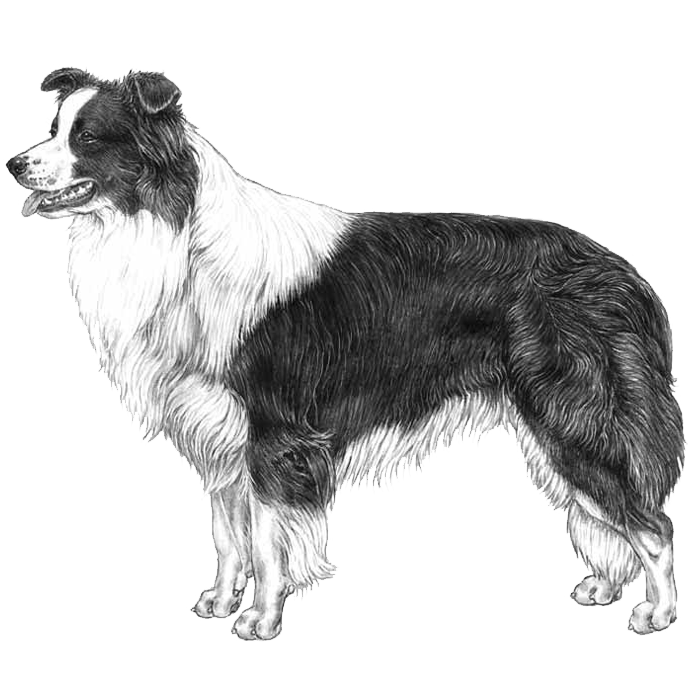
This mutation was first described in the Border Collie.
Penetrance: This mutation has an autosomal recessive inheritance, meaning that dogs must have two copies of the mutation in order to show clinical signs.
- Gene
- FAM20C
- Inheritance type
- recessive
- Clinical category
- Skeletal
Citations
Featured products
Our bestselling, most comprehensive DNA test. Includes all Breed ID features, health testing, and more.
Determine the best pairings with exclusive breeder tools.
Screen for 270+ health conditions and allergy risk in 4 categories.
Border Collie