- Home
- Health conditions
- Sensory Neuropathy
Sensory Neuropathy
FAM134B, Border Collie Variant
- Brain and Spinal Cord
This condition affects peripheral nerves involved in sensation and movement. As a result, dogs may experience changes in skin sensation and muscle control, which can impact coordination and awareness of injury.
Signs typically are first seen in puppies, usually between 2-7 months of age.
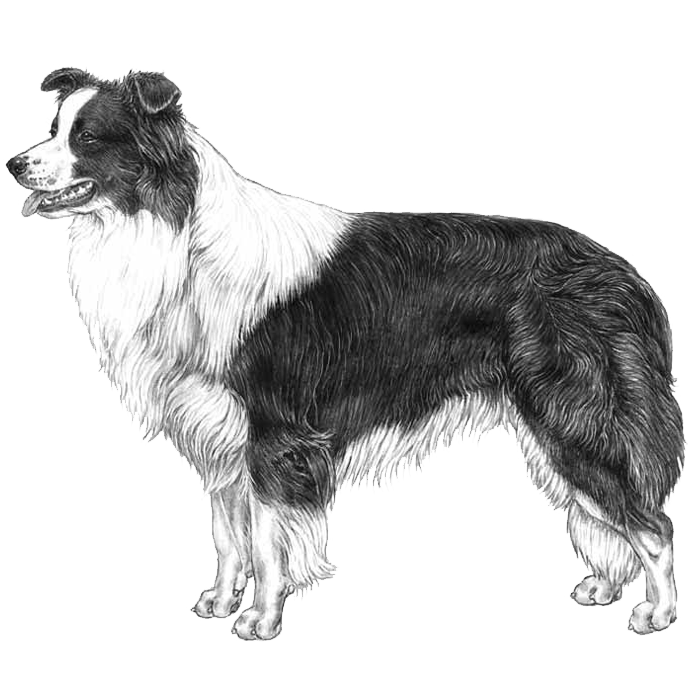
Talk to your vet about your dog’s sensory neuropathy result so you can plan ongoing care and monitoring.
Watch for signs such as unsteady movement, excessive licking or chewing at the feet or legs, or injuries that don’t seem to cause discomfort, and contact your vet if you notice any of these.
Use protective coverings or an Elizabethan collar as recommended by your vet to prevent self-injury, and keep your dog’s environment safe and free from hazards.
This condition is severe and often progresses quickly, but your vet can help you provide comfort and support and discuss options to ensure your dog’s well-being.
This mutation was first described in the Border Collie.
Penetrance: This disease is inherited in an autosomal recessive manner, meaning that affected dogs must have two copies of the mutation to show clinical signs.
- Gene
- FAM134B
- Inheritance type
- recessive
- Clinical category
- Neurologic
Citations
Featured products
Our bestselling, most comprehensive DNA test. Includes all Breed ID features, health testing, and more.
Determine the best pairings with exclusive breeder tools.
Screen for 270+ health conditions and allergy risk in 4 categories.
Border Collie