- Home
- Health conditions
- Trapped Neutrophil Syndrome, TNS
Trapped Neutrophil Syndrome, TNS
VPS13B
- Blood
This condition affects white blood cell development, creating too few neutrophils — key cells that are first responders against infection. Affected dogs are prone to frequent or severe infections, especially at a young age.
Some puppies are brought to the vet within weeks for recurrent infections and failure to thrive, others are only diagnosed after reactions to the first set of vaccinations (6-8 weeks), and others go undiagnosed for years after treatment for mild recurrent infections.
Talk to your vet about your dog’s trapped neutrophil syndrome result, as it may influence how they monitor your dog’s immune health and prepare for any surgeries or procedures.
Practice good hygiene, including regular bathing and dental care, to help reduce infection risk.
Be cautious with activities that could cause injury, like rough play at dog parks or off-leash hikes, and contact your vet promptly if your dog shows signs of illness or infection.
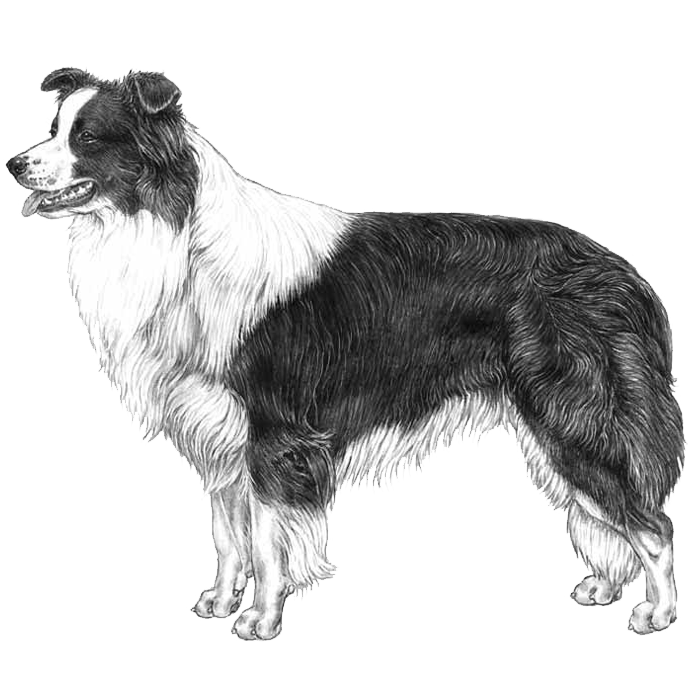
This mutation was first described in the Border Collie.
Penetrance: This syndrome is inherited in an autosomal recessive manner, meaning that a dog must have two copies of the mutation to be affected.
- Gene
- VPS13B Exon 19
- Inheritance type
- recessive
- Clinical category
- Hematologic
Citations
Featured products
Our bestselling, most comprehensive DNA test. Includes all Breed ID features, health testing, and more.
Determine the best pairings with exclusive breeder tools.
Screen for 270+ health conditions and allergy risk in 4 categories.
Border Collie
English Shepherd
Australian Kelpie
Koolie
McNab