


Collie Eye Anomaly, Choroidal Hypoplasia, CEA

CEA can cause no observable visual impairment to complete blindness depending on the severity of the disease. Dogs with poor vision will often act hesitant on stairs, bump into doorways or walls, and be disoriented if furniture is moved.
CEA can be identified by an ophthalmologist when a puppy is 6-8 weeks of age. There are other genetic and environmental factors that likely contribute to the severity of the disease.
-
 Australian Cattle Dog
-
 Australian Shepherd
-
 Bearded Collie
-
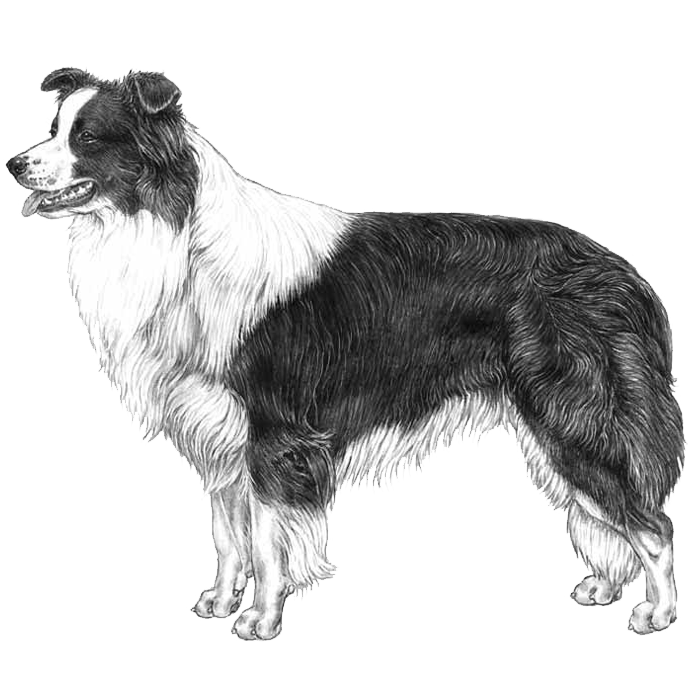 Border Collie
-
 Boykin Spaniel
-
 Collie
-
Collie (Scottish-Type)
-
 English Shepherd
-
 Hokkaido
-
 Australian Kelpie
-
 Koolie
-
 Lancashire Heeler
-
 Windsprite
-
 McNab
McNab
-
Miniature/MAS-type Australian Shepherd
-
 Nova Scotia Duck Tolling Retriever
-
 Shetland Sheepdog
-
 Silken Windhound
Featured products

Sale


Sale