Congenital Myasthenic Syndrome, CMS
This is a disease characterized by episodes of severe exercise intolerance and weakness.
-
Signs and symptoms
Affected puppies can usually play or run for up to a half hour, after which their strides get progressively shorter and the dog collapses. After resting, the puppy appears normal again.
Signs first appear in puppies, typically starting at 6 weeks of age. -
Diagnosis
Genetic testing, blood work, neurological tests, and clinical signs can be used to diagnose this condition.
-
Treatment
CMS is a lifelong condition and affected puppies may become refractory to medication used to help treat the acquired form of this condition.
-
What to do if your dog is at risk
Actions
- Talk to your vet about your dog’s CMS result so you can plan appropriate monitoring and care.
- Avoid intense or prolonged exercise, as overexertion can worsen weakness or fatigue.
- Provide a calm, stable routine with gentle activity to help maintain mobility and prevent stress.
- With careful management and regular check-ins, many dogs with CMS can live comfortable lives.
-
Genetic Information
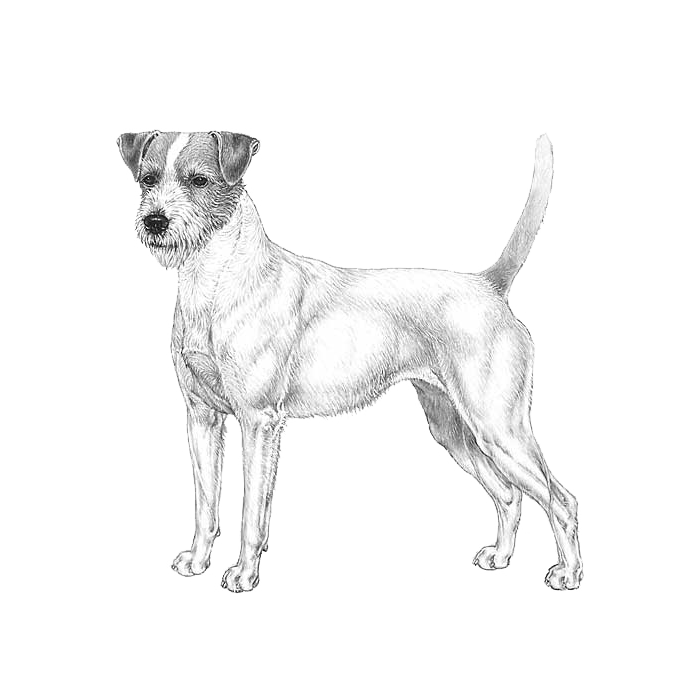
This mutation was first described in a Jack Russell Terrier.
This disease is inherited in an autosomal recessive manner, meaning that affected dogs must have two copies of the mutation to show clinical signs.
Gene names:
CHRNE ‐ chr
Inheritance type:
recessive
Citations:
-
Breeds affected
This health condition affects the following breeds
Learn about your dog’s unique genetic health
Dog owners
Breed identification, health and trait insights, personalized care recommendations, and the world’s first canine relative finder—all in one leading dog DNA test.
Learn about the report for dog ownersShop the test
Breeding programs
Embark’s test for breeding programs is one comprehensive DNA test designed with your needs in mind.
Learn about the report for breedersShop the test