Mucopolysaccharidosis Type VI, Maroteaux-Lamy Syndrome, MPS VI
A lysosome is a structure within the cell that digests and removes waste. When the lysosome cannot recycle waste properly, the waste accumulates and causes the cell to die. Mucopolysaccharidosis VI (MPS VI) is a lysosome disorder in which a specific glycosaminoglycan (GAG) accumulates in lysosomes. This causes progressive health issues including stunted growth, skeletal deformities, and eye problems.
-
Signs and symptoms
Affected dogs may display facial, limb, and stature abnormalities. They may experience progressive gait changes and decreased mobility, along with or in addition to joint hyperlaxity (extreme flexibility). They may also develop cloudy eyes.
You may notice the first signs of dwarfism as early as three months of age, and eye abnormalities by seven months of age. -
Diagnosis
Your dog's veterinarian may use genetic testing, clinical signs, and history to diagnose this disease. Urinalysis, bloodwork, and radiographs can all be useful tools for making a diagnosis.
-
Treatment
Currently, care is mostly supportive in nature.
-
What to do if your dog is at risk
Actions
- Talk to your vet about your dog’s MPS VI result so you can discuss what signs to monitor for and plan supportive care as needed.
- The severity of this condition can vary, and some dogs may live for several years with good management and monitoring.
- Provide a calm, predictable environment and help your dog avoid activities that could strain their joints or cause injury.
- Make your home comfortable and easy to navigate by providing soft bedding, rugs for traction, and minimizing stairs. Offer gentle, low-impact ways for your dog to stay active, such as hiding treats under cups or using a puzzle feeder.
-
Genetic Information
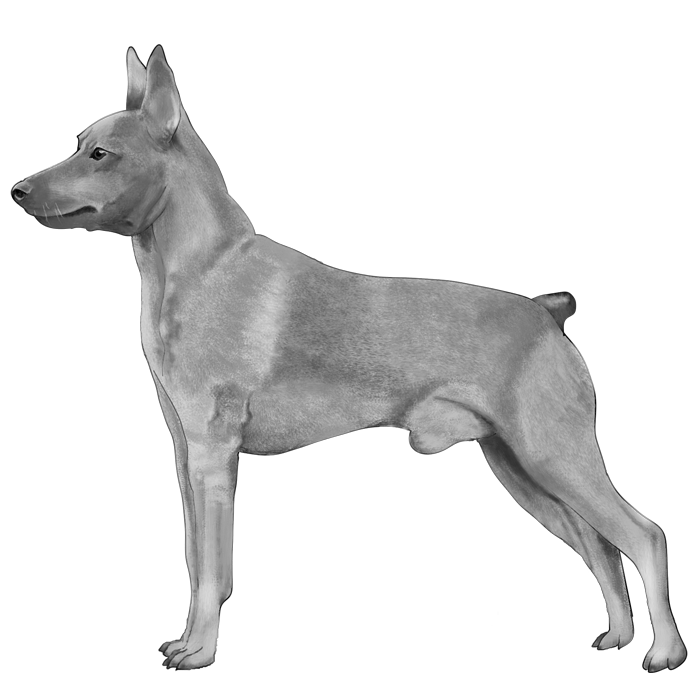
This variant was first identified in Miniature Pinschers.
This form of MPS VI has an autosomal recessive mode of inheritance; that is, a dog requires two copies of the variant to show signs of the disease from it. Carrier dogs are reported to have intermediate enzyme activity when compared to clear and affected dogs; however, this causes no clinical abnormalities.
Gene names:
ARSB Exon 5 ‐ chr
Inheritance type:
recessive
Citations:
-
Breeds affected
This health condition affects the following breeds
Learn about your dog’s unique genetic health
Dog owners
Breed identification, health and trait insights, personalized care recommendations, and the world’s first canine relative finder—all in one leading dog DNA test.
Learn about the report for dog ownersShop the test
Breeding programs
Embark’s test for breeding programs is one comprehensive DNA test designed with your needs in mind.
Learn about the report for breedersShop the test
