






Degenerative Myelopathy, DM
This condition affects the spinal cord nerves involved in movement, most noticeably in the hind limbs. It is progressive, meaning symptoms worsen over time, including weakness, muscle loss, and changes in walking.
-
Signs and symptoms
You may notice your dog scuffing the tops of his or her hind paws, or walking with a hesitant, exaggerated gait. In advanced cases, it can lead to weakness or near-paralysis of all four legs and widespread muscle wasting.
Affected dogs do not usually show signs of DM until they are at least 8 years old.Uncover health risks with Embark

Embark Breed + Health Test
- Regular Price
$199
- Sale Price
- $129

Embark for Breeders dog DNA test kits
- Sale Price
- $119-$139 per test
-
Diagnosis
Definitive diagnosis requires microscopic analysis of the spinal cord after death. However, veterinarians use clues such as genetic testing, breed, age, and other diagnostics to determine if DM is the most likely cause of your dog’s clinical signs.
-
Treatment
As dogs are seniors at the time of onset, the treatment for DM is aimed towards increasing their comfort through a combination of lifestyle changes, medication, and physical therapy.
-
What to do if your dog is at risk
Actions
- Talk to your vet about your dog’s degenerative myelopathy result, as it may influence how they monitor your dog’s mobility and overall health, especially in their senior years.
- Keep your dog active with regular, low-impact exercise to help them maintain a healthy weight and support their mobility.
- Watch for changes in movement, such as wobbling, reluctance to jump, or dragging their back paws, and consult your vet if you notice any of these signs.
- Provide good traction in your home with rugs or mats to help prevent slipping as your dog ages. If mobility becomes difficult, ask your vet about supportive devices such as harnesses or wheelchairs.
-
Genetic Information
This mutation was first identified in the Pembroke Welsh Corgi.
Please note that this mutation is reported to have incomplete penetrance: that is, while a dog with two copies of this mutation has a much greater chance of developing DM than a dog with one or zero copies of the mutation, other genetic and environmental factors contribute to the development of the disease.
Gene names:
SOD1A ‐ chr
Please note: While we test for the SOD1A variant, we do not test for the SOD1B variant at this time. Degenerative Myelopathy genotype results apply only to SOD1A.
Inheritance type:
recessive
Citations:
-
Breeds affected
This health condition affects the following breeds
-
Airedale Terrier

-
American Eskimo Dog

-
American Water Spaniel

-
Australian Shepherd

-
Bernese Mountain Dog

-
Bloodhound

-
Borzoi

-
Boxer

-
Boykin Spaniel

-
Cardigan Welsh Corgi

-
Cavalier King Charles Spaniel

-
Chesapeake Bay Retriever

-
Collie

-
Czechoslovakian Vlcak

-
English Springer Spaniel

-
Wire Fox Terrier

-
German Shepherd Dog

-
Glen of Imaal Terrier

-
Golden Retriever

-
Great Pyrenees

-
Kerry Blue Terrier

-
Komondor

-
Labrador Retriever

-
Nova Scotia Duck Tolling Retriever

-
Pembroke Welsh Corgi

-
Poodle (Standard)

-
Pug

-
Rhodesian Ridgeback

-
Russell-type Terrier

-
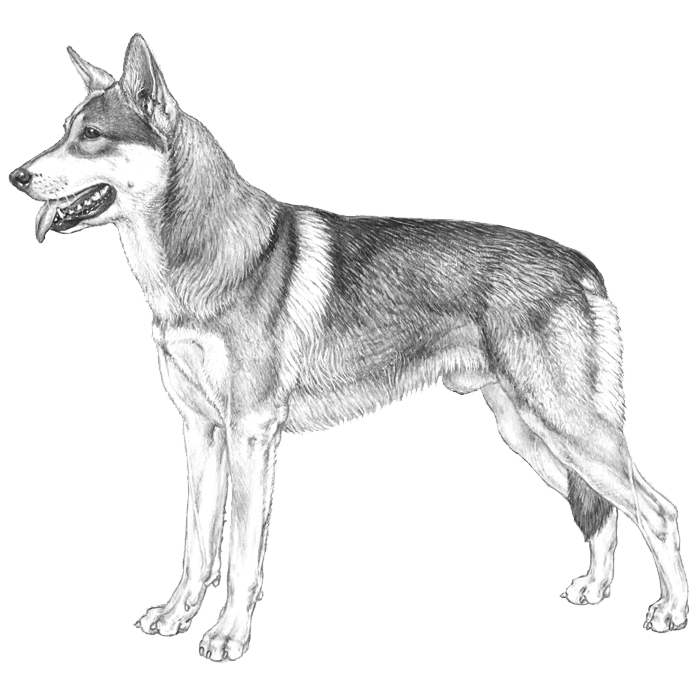
Saarloos Wolfdog
-
Shetland Sheepdog

-
Shiloh Shepherd

-
Siberian Husky

-
Soft Coated Wheaten Terrier

-
White Shepherd

-
Learn about your dog’s unique genetic health
Dog owners
Breed identification, health and trait insights, personalized care recommendations, and the world’s first canine relative finder—all in one leading dog DNA test.
Learn about the report for dog ownersShop the test
Breeding programs
Embark’s test for breeding programs is one comprehensive DNA test designed with your needs in mind.
Learn about the report for breedersShop the test


